

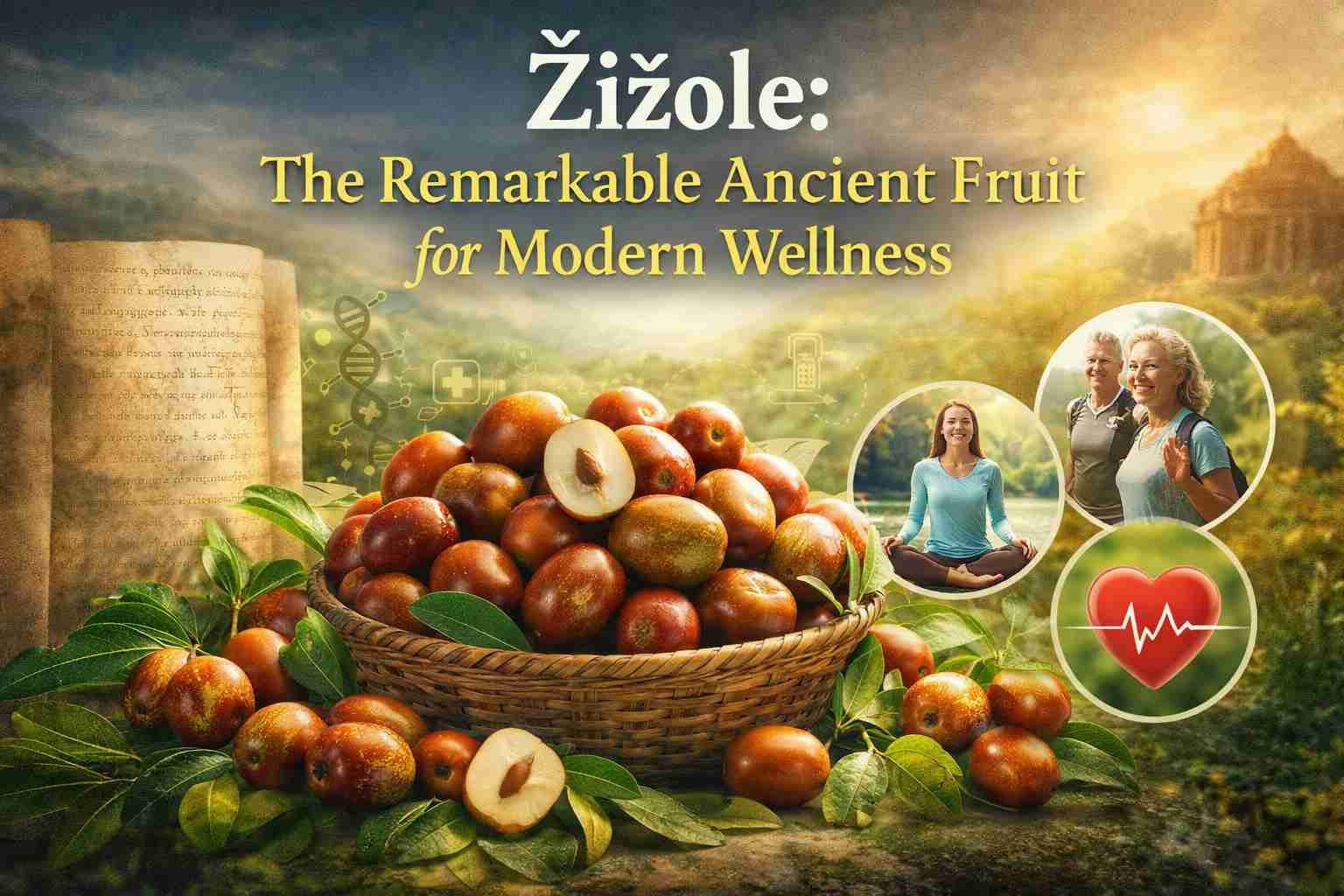
Žižole have grown quietly along the Adriatic coastline for centuries, yet most people outside Croatia, Montenegro, and southern Italy have never tasted one. Known widely as jujube or Chinese date, this small fruit carries a surprisingly dense nutritional profile, a history stretching back thousands of years, and a culinary range that goes far beyond simple snacking. Interest in traditional foods and natural wellness has brought it back into focus — and for good reason.
- What is Žižole?
- Ancient Origins and Cultural Significance
- Varieties and Characteristics of Žižole
- Nutritional Profile and Health Benefits
- Culinary Uses of Žižole
- Growing Žižole at Home
- Modern Market Demand and Cultural Relevance
- Interesting Facts About Žižole
- Conclusion
- FAQs
- FAQ 1: What is Žižole?
- FAQ 2: What Does Žižole Taste Like?
- FAQ 3: What Are the Health Benefits of Žižole?
- FAQ 4: Can You Eat Žižole Every Day?
- FAQ 5: How Do You Grow Žižole at Home?
- FAQ 6: Can Žižole Be Grown in Colder Climates?
- FAQ 7: How Long Does It Take for a Žižole Tree to Produce Fruit?
- FAQ 8: Where Does Žižole Originally Come From?
- FAQ 9: How Do You Store Žižole?
- FAQ 10: Are There Any Safety Considerations When Consuming Žižole?
What is Žižole?
The fruit grows on Ziziphus jujuba, a thorny tree belonging to the buckthorn family (Rhamnaceae). The tree produces a drupe — a fleshy fruit with a central pit — that passes through three distinct stages before reaching full ripeness.
Unripe fruit is firm, pale green, and tastes similar to a tart apple. As it matures, the skin shifts from yellow-green to deep reddish-brown, while the flesh softens and sweetens. When dried, it develops a chewy, caramel-like texture that closely resembles dates.
Size ranges from 1 to 3 inches, depending on variety. Harvest season falls in late summer through early autumn, when Dalmatian coastal towns fill local markets with fresh clusters. Drying extends shelf life through winter, which historically made it a reliable source of seasonal nutrition in coastal communities.
Ancient Origins and Cultural Significance
Cultivation began in China roughly four thousand years ago. From there, traders carried the fruit along established routes through Central Asia and into the Middle East before it took root across southern Europe and the Mediterranean basin.
Ancient Greek physicians recommended it for respiratory health and digestion. Roman herbalists incorporated the dried form into medicinal syrups and preserved preparations. Neither civilization treated it as a curiosity — it was a staple.
Along the Adriatic coastline, it became woven into household life. Families planted a single žižola tree as a symbol of stability and prosperity, and those trees often outlived multiple generations. Seasonal traditions around the early autumn harvest included community festivals, ritual gifting, and the preparation of jams and preserved goods that carried agricultural heritage into the colder months.
Fertility and sustenance were themes tied to it in various cultural rituals across the Mediterranean. That symbolic weight, combined with practical value, kept the fruit relevant long after other traditional crops faded.
Varieties and Characteristics of Žižole
Not all žižole taste the same. Several established varieties exist, each suited to different uses:
| Variety | Key Characteristic | Best Use |
| Li | Large size, high sweetness | Fresh eating |
| Lang | Oblong shape, good structure | Drying |
| Shanxi Li | Crisp texture, mild sweetness | Fresh or dried |
| Honey Jar | Small, juicy, intensely sweet | Fresh snacking |
| Sugar Cane | High sugar content, cane-like flavor | Fresh eating |
Flavor across varieties is often described as a blend of apple, pear, and date with a slightly tangy undertone. Ripening time and drying qualities vary by variety, so growers typically choose based on whether they intend to consume it fresh or preserve it.
Nutritional Profile and Health Benefits
Key Nutrients in Žižole
They pack considerable nutrition into a small package. The fruit contains meaningful amounts of:
- Vitamin C — exceeds many common fruits per gram; supports immune function and cellular repair
- Potassium — regulates blood pressure and supports muscle function
- Magnesium — involved in over 300 enzymatic processes
- B vitamins — contribute to energy metabolism
- Dietary fiber — supports digestion and blood sugar regulation
- Antioxidants — including flavonoids and phenolic compounds that neutralize free radicals
Caloric content is low relative to nutrient density, making them a useful option for those managing weight without reducing nutritional intake.
Health Benefits of Žižole
Traditional Chinese medicine has been documented for centuries, primarily for sleep quality, anxiety, and nervous system support. The fruit contains natural compounds with mild sedative effects, which align with its historical use for insomnia and stress.
Modern research supports several of these traditional claims. The antioxidants reduce oxidative stress and may lower risk factors associated with chronic diseases, including heart disease. The fiber content actively supports gut microbiome balance and digestive health.
Athletes and active individuals find the dried form useful as a calorie-efficient energy source that delivers sustained output without blood sugar spikes. Mental clarity and mood stability have also been associated with regular consumption, though individual results vary.
Culinary Uses of Žižole
Few fruits cover as much ground in the kitchen. Fresh ones work well in salads paired with soft cheese or sliced into fruit bowls alongside more familiar options. Their natural sweetness balances sharper ingredients.
The dried form integrates easily into baked goods — muffins, cakes, and breads benefit from its chewy texture and concentrated flavor. It also strengthens trail mixes, granola blends, and energy bars. In Chinese cuisine, it appears frequently in soups and stews, contributing subtle sweetness and medicinal intent simultaneously.
Tea brewed from the dried fruit has been used as a calming drink across multiple traditional medicine systems. The infusion draws out antioxidants and minerals, and its mild flavor makes it accessible to most palates.
Dalmatian cuisine embraces them in jams, marmalades, and fruit preserves. Craft distillers in the region use the fruit to produce liqueurs and brandies with a distinct regional identity. Juice and wine production represent another layer of culinary range — though the fresh form remains the most straightforward entry point for anyone new to this fruit.
Growing Žižole at Home
Cultivation Requirements
They tolerate conditions that challenge most fruit trees, thriving in poor, rocky terrain with good drainage and performing well in full sun. Ideal soil pH sits between 6 and 7. Mulching helps retain moisture during dry spells. Overwatering causes root rot and should be avoided once the tree establishes itself. Warm summers accelerate development, but the tree adapts to a wide range of climates.
Propagation and Care
Grafting onto established rootstock is the standard propagation method, preserving the characteristics of the chosen variety. The trees are self-pollinating, though cross-pollination with a second variety improves fruit set and overall yield.
Annual pruning maintains structure and promotes better fruiting. The thorns naturally deter animals. Both experienced and beginner gardeners find the tree manageable — it resists most pests and diseases without chemical intervention. Urban gardeners can grow smaller specimens in containers on terraces or balconies. Within two to three years of planting, even compact trees begin producing fruit.
Harvesting and Storage
Harvest falls in early autumn when fruit reaches full reddish-brown color. Fresh ones keep in the fridge for a few weeks. For longer storage, drying is the most practical method — fruit dried naturally or via a dehydrator stores well in airtight jars placed in cool spots for several months. Freezing preserves nutrients effectively when longer storage is needed. Moisture is the primary enemy; even slightly damp storage conditions degrade quality quickly.
Modern Market Demand and Cultural Relevance
After a decline in commercial attention through much of the twentieth century, this fruit is experiencing a clear revival. The shift toward superfoods, sustainable sourcing, and traditional ingredients has positioned it well in the current market.
Food manufacturers are incorporating the dried form into snack lines and smoothie products. Health blogs and social media have accelerated awareness, particularly among eco-conscious consumers drawn to responsible farming and low-irrigation crops. The environmental impact of cultivation is minimal — the trees require no intensive input once established, which appeals to buyers prioritizing sustainability.
Along the Dalmatian coast, local producers have elevated it into specialty goods: gourmet dried fruit, honey infusions, artisanal jams, and regional liquors that attract tourists seeking authentic souvenirs. These products support rural economies while preserving agricultural knowledge that might otherwise disappear.
Interesting Facts About Žižole
- Trees commonly live over one hundred years, outlasting the families who plant them
- The hard seeds were historically crafted into jewelry and household items
- High-yield varieties have entered food security discussions in regions facing agricultural stress
- Scientists have studied jujube seeds for potential space mission applications due to their nutrient density and resilience under extreme conditions
- The species also grows wild across parts of Asia and has naturalized in North America and Europe
Conclusion
Žižole occupies a rare position — a fruit that sustained ancient civilizations, became embedded in Mediterranean cultural identity, and is now re-emerging as a credible player in modern nutrition and sustainable agriculture. From Chinese orchards to Dalmatian seaside markets and health-focused kitchens worldwide, the trajectory is consistent.
They don’t require dramatic conditions to thrive, they deliver genuine nutritional value, and their culinary versatility spans cultures and centuries. For anyone exploring traditional foods with real ecological and wellness credentials, this ancient fruit offers something most trendy superfoods cannot: a track record measured in millennia.
FAQs
FAQ 1: What is Žižole?
Žižole is the Adriatic regional name for the jujube fruit (Ziziphus jujuba), a small drupe that grows on a thorny tree. It is also called Chinese date or red date and has been cultivated for thousands of years across Asia, the Mediterranean, and beyond.
FAQ 2: What Does Žižole Taste Like?
Fresh ones taste crisp and mildly tart, similar to an underripe apple. As they ripen to reddish-brown, the sweetness intensifies. The dried form develops a chewy texture with caramel and pear-like notes — closer to a date than any fresh fruit comparison.
FAQ 3: What Are the Health Benefits of Žižole?
They provide vitamin C, antioxidants, and dietary fiber. Regular consumption supports immune function, digestive health, and heart health. The fruit also contains compounds that support sleep and reduce anxiety. Those monitoring sugar intake should be mindful that the dried form carries more concentrated natural sugars.
FAQ 4: Can You Eat Žižole Every Day?
Yes. Both fresh and dried forms are suitable for daily consumption as a snack or ingredient. They provide steady energy and nutritional support without excessive calories. Moderation applies primarily to dried forms due to higher natural sugar concentration.
FAQ 5: How Do You Grow Žižole at Home?
Plant in spring using grafted stock or seeds in well-drained soil with full sun exposure. Water consistently during establishment. Prune annually and ensure adequate drainage to prevent root issues. Trees in pots work well for smaller spaces and typically yield fruit within two to three years.
FAQ 6: Can Žižole Be Grown in Colder Climates?
Yes. They tolerate temperatures down to approximately −15°C, making them viable across many temperate regions. Full sun and well-drained soil remain essential. In harsh winters, container-grown trees can be sheltered indoors.
FAQ 7: How Long Does It Take for a Žižole Tree to Produce Fruit?
Most trees begin producing within two to three years of planting. Production increases as the tree matures, with established trees delivering reliable autumn harvests annually.
FAQ 8: Where Does Žižole Originally Come From?
It originated in China, where cultivation records date back thousands of years. Traders spread it along historical routes through Central Asia into the Mediterranean, where it became a staple in coastal European communities.
FAQ 9: How Do You Store Žižole?
Fresh fruit keeps in the fridge for up to a few weeks. For longer storage, dry using a dehydrator or natural air-drying and store in airtight jars in cool, dry spots. Freezing is effective for preserving nutrients for months. Moisture accelerates spoilage in all storage forms.
FAQ 10: Are There Any Safety Considerations When Consuming Žižole?
They are generally safe for most people. Some individuals may experience allergic reactions or digestive issues, particularly with raw or unprepared fruit. Those who are pregnant, nursing, or taking medications should consult a healthcare professional before adding them regularly to their diet to rule out adverse interactions.