


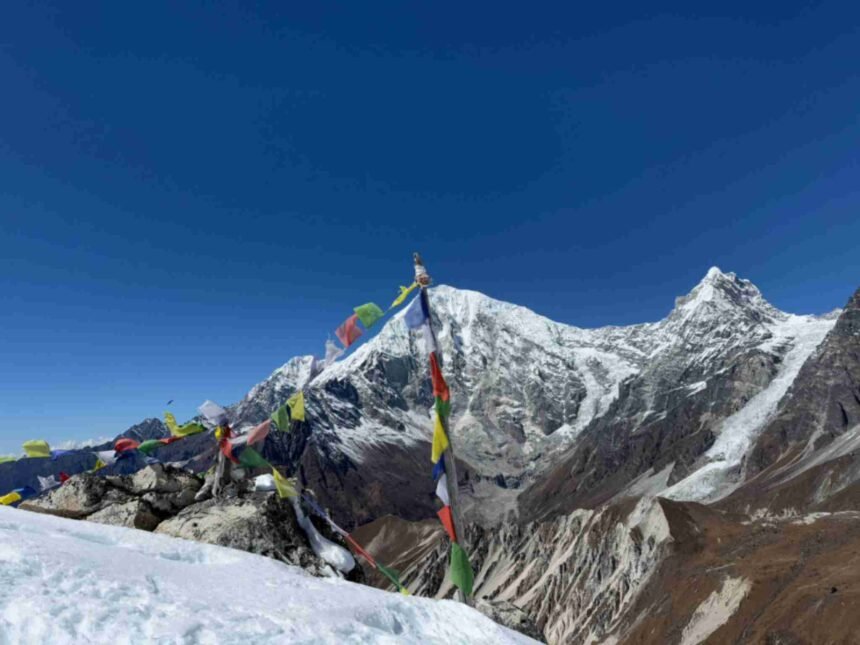
Starting on the Everest Base Camp trails without knowing the risks can put you in real danger before the journey even feels hard. Though many call it a starter climb in high mountains, the air up there does not care how fit someone thinks they are. Some people arrive thinking short breaks and light gear will be enough – then face cold nights, thinning breath, slow steps. What seems like fresh mountain charm early on turns sharp when paths stay steep longer than expected. Few expect how fast the weather shifts near Namche or how silence creeps in at higher camps.
- Mistake 1: Starting Too Fast Without Acclimatizing
- Mistake 2: Not Responding to Altitude Sickness Signs
- Mistake 3: Carrying the Wrong Amount of Gear
- Mistake 4: Underestimating Weather
- Mistake Five: Not Drinking Enough Water
- Mistake 6: Relying Only on Physical Fitness
- Mistake 7: Poor Eating Habits On The Trek
- Mistake 8: Poor Communication And Planning Issues
- Mistake 9: Not Allowing Enough Rest and Recovery
- Smart Planning Helps Treks Go Well
Bodies react differently once oxygen drops, no matter what training logs say back home. Rushed plans often miss rest days needed to let blood adjust quietly. Even boots worn smooth from city walks fail under rocky ridge strain. Excitement fades when sleep is broken by coughing or pounding head. A strong start means nothing if rhythm falls apart by day six. Most forget taste changes too – not food going bad, just body refusing flavors once loved. Head down, pace steady – that usually wins more than bold slogans shouted at base camp photos.
Mistake 1: Starting Too Fast Without Acclimatizing
Most people make the same error when starting toward Everest Base Camp – moving too fast at the beginning. Once you leave Lukla, elevation hits the body sooner than expected in the Khumbu area. Trekking newbies on Nepal trails often rush ahead early on; that effort brings tiredness and strain from thin air before long. Go slowly instead, step by step, while letting your body adjust along the way. Smart planning means built-in pauses so the journey matches what the human rhythm needs.
Mistake 2: Not Responding to Altitude Sickness Signs
Headaches, dizziness, or feeling sick? These aren’t things to brush off when you’re up high. Moving too fast into thin air tricks some new trekkers – they think powering on works, but that idea carries risk. Trouble starts quietly; it grows faster than most expect. Stopping, stepping down in elevation, or just taking time – it matters more than pushing ahead. Safety isn’t about speed; it shows up in choices made before things get hard.
Mistake 3: Carrying the Wrong Amount of Gear
Most beginners make mistakes when loading their bags. Heavy loads in the Khumbu area sap energy fast during steep climbs. Some people bring too much on Nepali trails yet miss key things – thermal clothes, solid boots. Instead of piling it all in, think about what truly moves with you. Lightening your EBC journey helps stamina grow, and joints stay protected.
Mistake 4: Underestimating Weather
Out here, mountain weather shifts fast – many overlook that. Higher up near Khumbu, cold hits hard without warning. Trekking through Nepal? Expect biting wind, surprise snow, or downpours, regardless of season. Being caught off guard brings more than just shivers – it risks safety. Smart layering and an adjustable plan for Everest Base Camp keep pace with wild swings in climate.
Mistake Five: Not Drinking Enough Water
Most people don’t notice dehydration during the Everest Base Camp hike. Though it feels chilly in Khumbu, your breath alone drains moisture from your body. When walking across Nepal’s trails, travelers often sip too little water – this brings tiredness and headache. Staying hydrated helps you keep strength while adjusting to thin air. Each thoughtful plan for Base Camp makes room for steady sips, again and again, from morning until night.
Mistake 6: Relying Only on Physical Fitness
Most people attempting the Everest Base Camp for the first time think that being strong means they will make it. Yet beyond muscle power, the high trails of Khumbu ask for patience – moving slowly helps more than rushing ever does. Though some arrive in top shape, many still falter without giving their bodies time to adjust to thin air. What really shapes a good outcome isn’t stamina alone but how carefully each day unfolds. Success hides less in legs and more in choices made step by step.
Mistake 7: Poor Eating Habits On The Trek
Even when hunger fades along Nepal’s trails, fuel matters just as much. Snacks alone won’t carry you through long days – solid meals do that job better. Think warm lentil stews, steaming noodle bowls, rice-heavy plates – foods that stick to your ribs. Without them, stamina dips fast under heavy packs and steep climbs.
Mistake 8: Poor Communication And Planning Issues
Most beginners overlook how risky it is when they skip sharing their hiking plans. Out in Khumbu, phone signals often vanish without warning. Because of that, knowing where someone is heading matters more than usual. Some travelers move between trails without telling lodge staff or friends where they’re going next.
Mistake 9: Not Allowing Enough Rest and Recovery
Rest matters more than pushing on. Moving slowly through the Khumbu keeps bodies safe. Some people rush past scheduled stops, skipping short climbs meant to adjust. Without pauses, exhaustion creeps in fast. Strength fades when recovery gets ignored. High elevations demand patience – plans built wisely leave room to breathe. Stability grows where haste does not.
Smart Planning Helps Treks Go Well
Skipping usual missteps during the Everest Base Camp hike makes the trip safer and smoother. High up in Nepal’s Khumbu area, how fast you go matters more than raw strength. Drink water often – dry air pulls moisture away without warning. The body needs time to adjust to thinning oxygen, step by slow step. Many think excitement alone carries them forward; reality proves otherwise. Even tiny oversights grow serious when altitude adds pressure.
A smart plan spreads rest days where they’re needed most. Mountains show their best face when people move with care. New hikers gain clarity by watching what others got wrong. A hard path becomes meaningful when handled right. Confidence builds not from rushing ahead but from steady choices.