


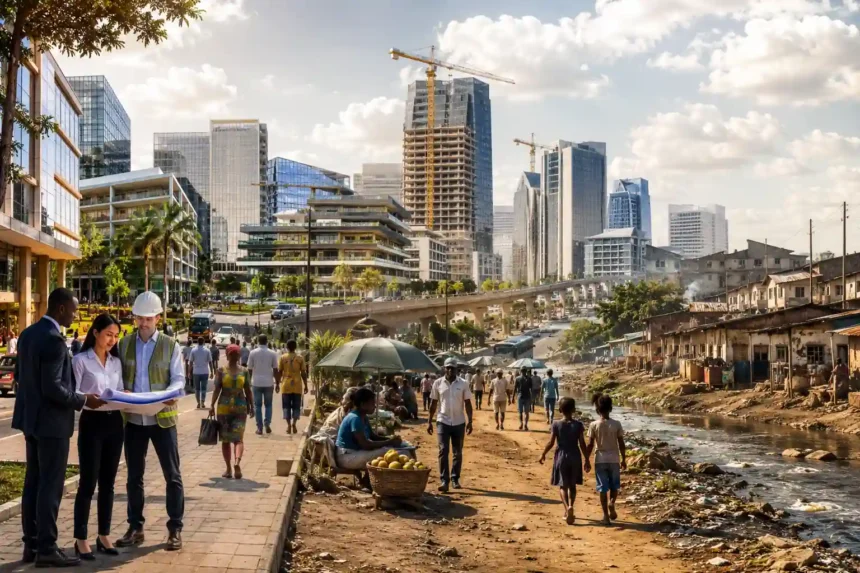
Foreign investment plays a pivotal role in stimulating local economies, fostering job creation, and enhancing infrastructure. Communities worldwide are recognizing the multifaceted benefits that strategic international funding can bring to their regions. Opportunities such as EB-5 projects highlight how investment can be directed towards high-impact local development, making it essential to understand the broader implications.
When foreign capital enters a new market, it often acts as a catalyst for sustainable economic growth. Local governments and businesses are increasingly seeking ways to embrace these investments, considering the potential to create new jobs, upgrade local infrastructure, and transfer vital technological know-how. As investment patterns evolve, communities can leverage them to build more resilient, diversified economies. However, to capture these benefits effectively, it is vital to consider both the opportunities and challenges presented by foreign investment.
While the advantages are significant, foreign investment can also introduce complexities related to cultural integration, governance, and economic equity. Understanding these factors allows communities to develop proactive strategies that maximize the positive aspects of foreign capital while minimizing potential disruptions. Ultimately, foreign investment, if managed correctly, becomes a powerful driver of local growth and prosperity.
Economic Growth and Job Creation
Foreign direct investment (FDI) significantly contributes to economic expansion by infusing much-needed capital into local markets. This influx of resources enables the establishment of new businesses and helps existing companies expand, leading to substantial job creation. According to data from the U.S. Bureau of Economic Analysis, foreign direct investment to acquire, establish, or expand U.S. businesses reached more than $177 billion in 2022. The manufacturing sector alone attracted about $55.2 billion of that amount.
States like Virginia illustrate the power of FDI: over 1,000 foreign-owned companies in Virginia employ more than 200,000 people, which bolsters both employment rates and wage levels across the region. These jobs are often accompanied by training and development opportunities, raising the skill level of the local workforce and contributing to a more dynamic labor market. To learn more about the broader trends and impacts of FDI, you can visit the Brookings Institution.
Infrastructure Development
Foreign investment frequently leads to significant upgrades in local infrastructure. International funding enables the construction of new transportation networks, energy facilities, and public amenities. These infrastructure upgrades not only support the operations of foreign enterprises but also benefit the wider community by improving access and quality of life.
For example, modernized roads, bridges, and public transportation can connect rural or underserved regions to economic centers, ultimately attracting further investment. Improved infrastructure is a cornerstone for sustained development and lays the groundwork for future economic opportunities.
Technology Transfer and Innovation
Foreign companies are often leaders in new technologies and business innovation. When they invest in local communities, they bring knowledge, processes, and intellectual property that can transform entire industries. This transfer of technology is not limited to specialized manufacturing but is increasingly evident in sectors like information technology, renewable energy, and healthcare.
By working alongside foreign firms, local businesses and workforces can acquire advanced skill sets and innovative techniques. Such exposure propels local industries up the value chain, helping them compete globally and stimulating a robust environment of creativity and problem-solving.
Enhancing Local Businesses
One of the most significant benefits of foreign investment is its positive ripple effect on local businesses. FDI provides smaller local firms with direct access to global supply chains, new markets, and more sophisticated resources. Partnerships and joint ventures with foreign companies often lead to the adoption of best practices in management, production, and marketing.
Furthermore, the presence of foreign companies raises the standard of competition in the local market. Local firms are motivated to innovate, improve quality, and operate more efficiently. Over time, this stimulates broader economic development and greater community wellbeing.
Case Study: Foreign Investment in Virginia
Virginia provides a compelling example of how foreign investment can transform a regional economy. More than 1,000 foreign-owned companies operate across the state, resulting in over 200,000 jobs that offer competitive wages and benefits. These investments have diversified the economic base, making Virginia less vulnerable to downturns in any single industry and increasing its resilience overall.
Additionally, foreign investors have supported workforce training, developed research partnerships with local universities, and helped foster a climate of entrepreneurship that benefits residents far beyond those directly employed by international companies. These combined effects underscore the broad potential of foreign investment for ongoing prosperity.
Strategies for Attracting Foreign Investment
Communities can adopt strategic approaches to strengthen their appeal to foreign investors. First, improving the quality of local institutions is essential. Streamlined regulatory processes, transparent governance, and pro-business policies can make regions more attractive to international capital. Establishing local investment promotion agencies (IPAs) is another crucial strategy. IPAs provide targeted support for investors and facilitate greenfield investments, especially in less-developed areas.
Encouraging partnerships between multinational enterprises and local small and medium-sized businesses is also vital. Incentivizing these collaborations fosters mutual growth and ensures that the benefits of FDI are widely distributed within the community.
Challenges and Considerations
Despite its advantages, foreign investment can introduce economic and social complexities. Communities must ensure that foreign capital aligns with local development goals and does not create inequitable outcomes. For some, there are concerns about the potential for profit repatriation and the risk of foreign influence over critical sectors.
Balancing the influx of foreign resources with the preservation of local culture, autonomy, and long-term interests is crucial. Open dialogue between stakeholders and careful policy design allow communities to benefit from FDI while maintaining control over their unique priorities and values.
Conclusion
Foreign investment stands out as a dynamic catalyst for local development, offering communities the opportunity to spur economic growth, enhance infrastructure, and advance technological innovation. By understanding and strategically managing the complexities of FDI, local leaders can promote sustainable progress and improve the well-being of their residents for generations to come.